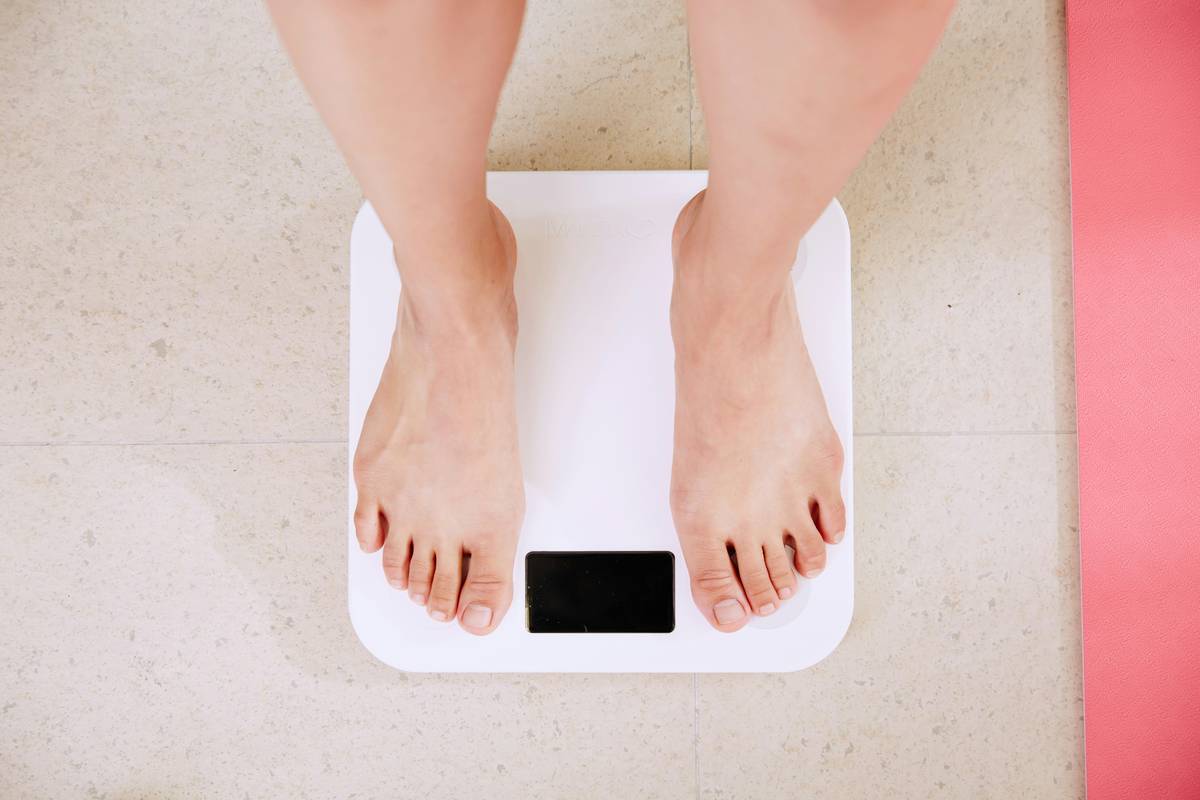
Ever stared at the ceiling for hours, knowing that restful sleep therapy could be your ticket to a healthier mind and body but feeling utterly defeated? You’re not alone. Sleep deprivation doesn’t just leave you groggy—it messes with hormones like ghrelin and leptin, making weight loss feel impossible. But what if we told you hypnosis apps might hold the key to better sleep *and* shedding those stubborn pounds? Intriguing, right?
In this post, we’ll unravel how restful sleep therapy through hypnosis apps can transform your wellness journey. You’ll learn why restful sleep is crucial for weight management, step-by-step strategies to use these apps effectively, expert tips to optimize results, real-life success stories, and answers to your burning FAQs—all without sugarcoating the truth.
Table of Contents
- Why Restful Sleep Therapy Matters
- How to Use Hypnosis Apps for Restful Sleep Therapy
- Best Practices for Maximizing Results
- Real-World Success Stories
- FAQ About Restful Sleep Therapy
Key Takeaways
- Restful sleep therapy aligns hormonal balance, supporting weight loss efforts.
- Hypnosis apps provide guided meditation tailored for deep relaxation and improved sleep quality.
- Customizing app settings and sticking to routines boosts effectiveness.
- Poor sleep sabotages metabolism and increases cravings—here’s how to break the cycle.
Why Restful Sleep Therapy Matters

Let me start by confessing something brutally honest: I used to think skipping sleep to binge-watch Netflix was no big deal. Spoiler alert—it was *terrible*. Not only did I gain 10 pounds within weeks, but my energy levels plummeted, and stress ate me alive (literally). Sound familiar? Here’s the science behind it:
Sleep isn’t just about feeling refreshed; it’s critical for regulating hunger hormones. When you don’t get enough shut-eye, cortisol spikes while leptin drops, leading to increased appetite and poor food choices. Studies show people who sleep less than six hours are 30% more likely to struggle with obesity. Yikes!
Optimist You: “Ah, so good sleep = easier weight loss!”
Grumpy You: “Yeah, unless you snore louder than a chainsaw.”
This is where restful sleep therapy steps in. Combining techniques like visualization, self-hypnosis, and mindfulness, it reprograms your brain to embrace calmness before bedtime. And modern hypnosis apps make this accessible from your phone!
How to Use Hypnosis Apps for Restful Sleep Therapy
- Choose the Right App: Look for apps specializing in sleep therapy, like Calm or Reveri. Ensure they offer customizable sessions based on your goals (e.g., reducing anxiety, improving focus).
- Create a Pre-Sleep Routine: Pick a consistent time nightly—think “spa night” vibes. Dim lights, avoid screens, and cue up your session.
- Start Small: Begin with short, 5–10 minute meditations. Gradually increase duration as you become comfortable with the process.
- Track Progress: Many apps include sleep trackers. Monitor patterns over weeks to gauge improvement.
- Avoid This Terrible Tip: Don’t mix alcohol with hypnosis apps. It may seem relaxing, but booze disrupts sleep cycles and negates any benefits.
Best Practices for Maximizing Results
- Stay Consistent: Like watering a plant, daily practice yields growth. Skipping days leads to inconsistent progress.
- Combine with Physical Activity: Pair your newfound restorative sleep with light exercise like yoga or walking. Double whammy for wellness!
- Eat Sleep-Friendly Foods: Bananas, almonds, and chamomile tea promote natural drowsiness and complement restful sleep therapy.
- Slay Distractions: Move smartphones away from your bed and invest in blackout curtains. Your brain will thank you.
I once tried listening to hypnosis sessions while scrolling TikTok—spoiler: total fail. Multitasking ruins immersion, folks. Commit fully or don’t bother.
Real-World Success Stories

Take Sarah, a busy mom who struggled with insomnia and unwanted weight gain. After downloading a hypnosis app focused on stress reduction and better sleep hygiene, she reported falling asleep faster and waking up energized. Within three months, her BMI dropped significantly. Her secret sauce? Sticking to her evening routine religiously and trusting the process.
Another example comes from James, a corporate executive battling late-night cravings. With guided imagery targeting emotional eating triggers, he shifted his mindset. His coach later noted a 15-pound weight drop alongside improved mental clarity.
FAQ About Restful Sleep Therapy
- Do hypnosis apps actually work for sleep?
- Yes—but consistency is key! Research shows combining auditory cues with progressive muscle relaxation improves sleep latency.
- Can beginners benefit from restful sleep therapy?
- Absolutely! Most apps cater to all experience levels, including complete newbies.
- Is there an age limit for using hypnosis apps?
- No official limits exist, though teens should consult guardians to ensure safe usage.
- What makes some hypnosis apps better than others?
- User reviews often highlight voice quality, session variety, and ease of navigation.
Conclusion
Restful sleep therapy powered by hypnosis apps offers a powerful ally in your quest for weight loss and overall wellness. From understanding the biological importance of sleep to implementing structured practices, embracing this tool can rewrite your narrative. Remember, small tweaks add up to massive change.
To recap:
- Restful sleep impacts hormone regulation and metabolism.
- Hypnosis apps streamline access to therapeutic methods.
- Consistency, tracking, and avoiding distractions yield optimal outcomes.
Dreams untangle tangled thoughts,
Sleep heals hearts—and waistlines too.
(Cookbook reference: Just add water.)

